
A brief an email agent can actually use. Audience, job, offer, proof, and the constraints that stop a fluent draft from shipping the wrong email.

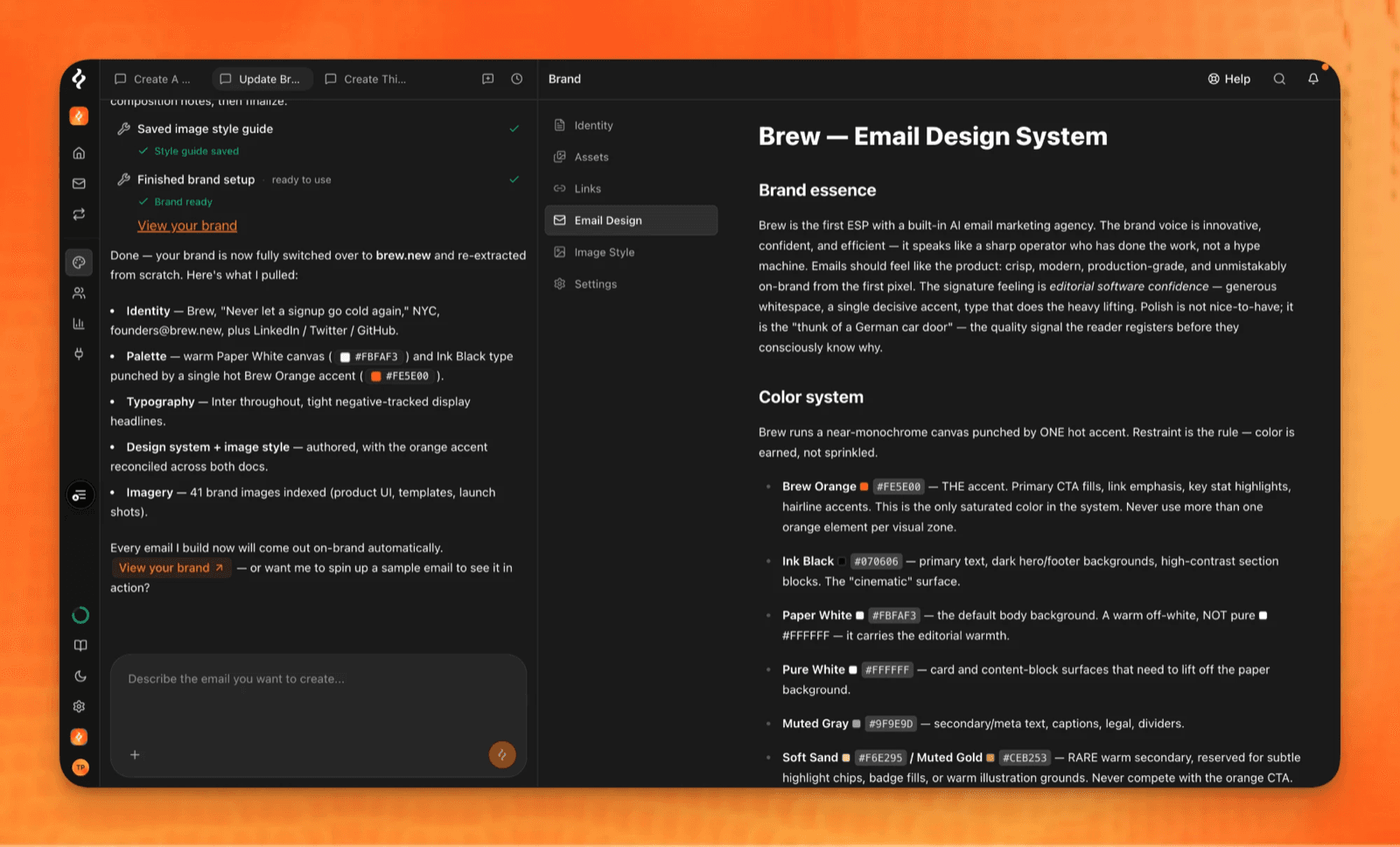
A vague brief leaves important decisions to the model. Ask for "a launch email" without naming the audience or facts, and a fluent draft can still describe the wrong product.
I write briefs the same way I write a ticket for a designer who has never sat in the customer call. Five things, in this order. I include constraints explicitly rather than assuming the agent will infer them.
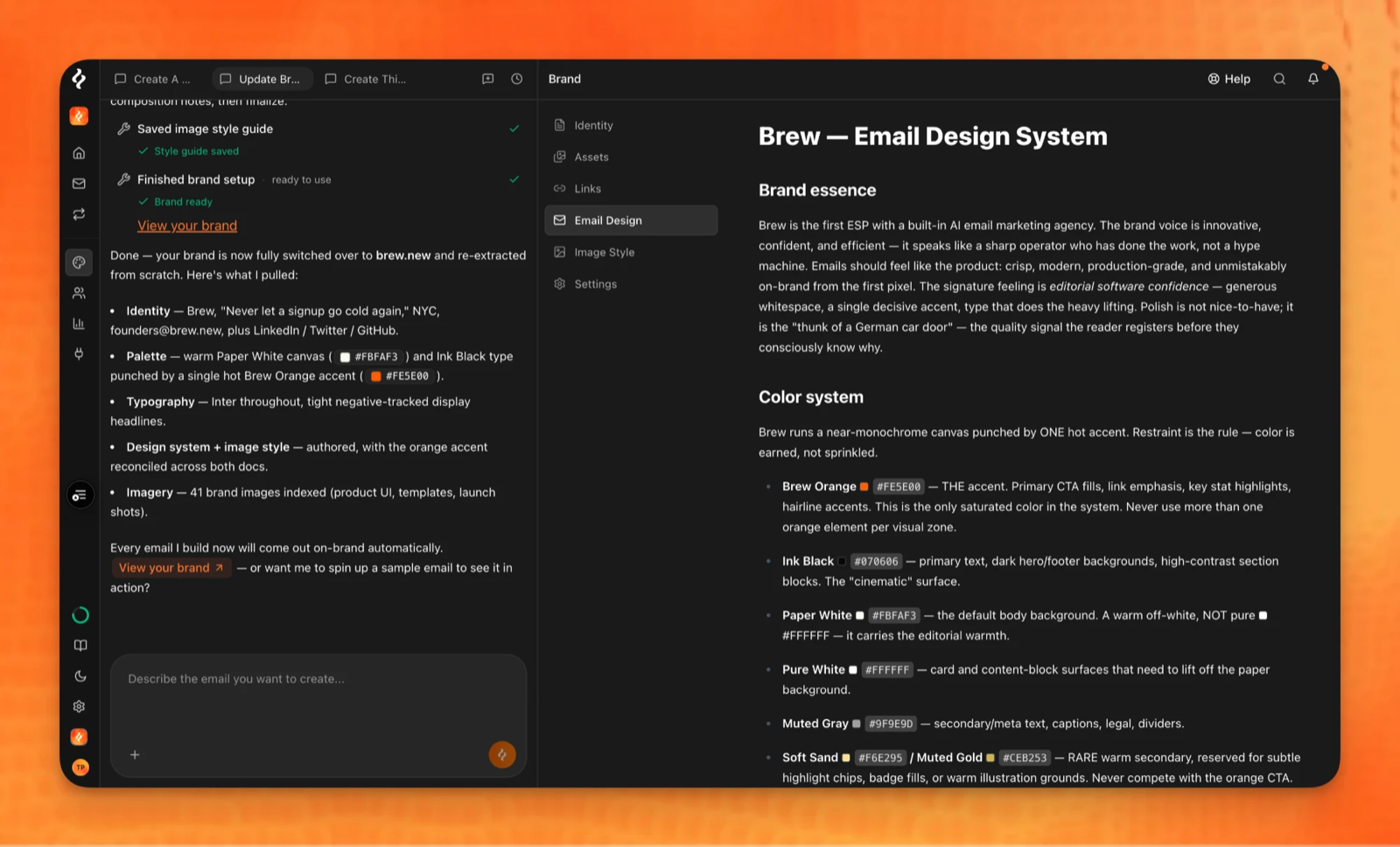
A usable brief looks like this. Named sections, not a paragraph of adjectives.
Name a real segment, not a vibe.
Weak. "our users." Usable. "trial accounts that connected a store and have not sent a campaign in 14 days."
If the list is mixed, say so, and say which row you're writing for first. An agent will average the room if you let it.
Also write who this is not for. "Do not write as if they have already bought" saves more drafts than any tone slider.
One job. Not "announce and educate and book time."
Examples that hold up:
If you can't say the job in one sentence, you don't have a brief. You have a backlog.
Write the sentence the reader should believe after the email, then the action that follows from it.
Belief. "I can send the abandoned-cart mail without rebuilding the flow in our ESP." Action. Open the template and connect the store.
Leave the puns out of the brief. If the agent invents a joke, you can keep it. If you put the joke in the brief, it will survive every revision.
This is the section people skip, and it's why agent emails get you in trouble.
Paste the facts. Dates, prices, names, URLs, the metric you will stand behind. Then write this line. Do not add statistics, logos, or customer names that are not in this brief.
If you don't have proof, say that too. "No social proof yet. Do not fake a quote" is a complete instruction.
State the constraints together, then check that the draft follows them:
This is a fictional example, not a description of Brew's plans or trial policy. Replace the audience, offer, and product facts before using it.
Audience: trial users who connected a store, no campaign in 14 days.
Not for: paying customers, or trials that never connected a store.

Job: get them to send one campaign this week.

Belief: the first send does not require an ESP rebuild.
Action: open the starter template, pick a segment, send.

Proof:
- Trial is 14 days from signup.
- Starter template is "abandoned cart."
- Help article: paste the real URL.
- Do not invent open rates, customer logos, or quotes.

Constraints:
- Under 180 words.
- Sound like our support team, not a press release.
- Promotional: address + unsubscribe.
- Subject line must not look like a receipt.
Swap the proof. Keep the shape.
Read it as the person in the audience line. If a claim isn't in the brief, delete it or add the source. Then send a test to an address you control before approving the audience send.
The agent is fast. The brief is the part that's still on you.
If a figure is not in the brief, it does not belong in the mail. That is the same rule Cory Nelson used on Harmonya's first campaign, which Noah Adelstein wrote up.